
Farmhouse Interior Design - Upload Photo, Get Rustic Room Ideas Free
Upload your room photo and see it transformed with farmhouse style instantly. Shiplap walls, reclaimed wood, vintage accents, cozy textures - see YOUR space in rustic charm with AI. Try 1 design free, no signup required.
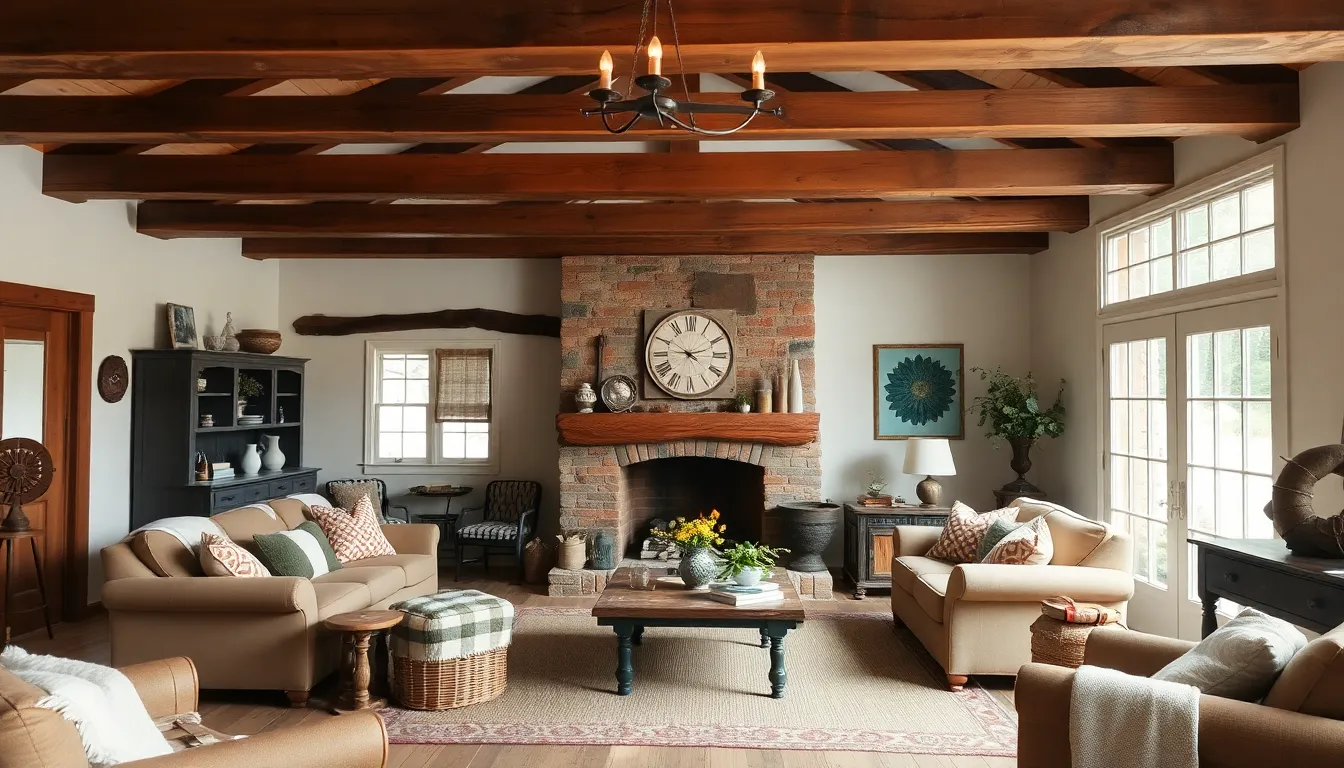
Example: Your room transformed to farmhouse style with AI in 30 seconds
The Essence of Farmhouse Interior Design
Farmhouse interior design is a timeless style that combines rustic charm with modern comforts. It's characterized by warm, inviting spaces that celebrate simplicity, natural materials, and a connection to rural life. This design approach embraces imperfections, vintage elements, and a lived-in feel, creating homes that are both beautiful and practical.
Unlike more polished styles, farmhouse design celebrates the beauty of wear and tear, mixing old and new elements to create a space that feels curated over time. It's a flexible approach that allows for personal expression while maintaining a cohesive, cozy look.
Key Elements of Farmhouse Interior Design
- Natural materials: Wood, stone, and metal
- Neutral color palette: Whites, creams, and earth tones
- Vintage and antique accents: Weathered finishes and patina
- Shiplap and beadboard: Textured wall treatments
- Exposed wooden beams: Adding rustic charm to ceilings
- Farmhouse sink: Large, deep sinks in kitchens
- Barn doors: Sliding doors as functional room dividers
- Comfortable, overstuffed furniture: Cozy seating options
- Wrought iron accents: In lighting fixtures and hardware
- Natural textiles: Cotton, linen, and wool fabrics
The Evolution of Farmhouse Design: A Brief History
Farmhouse design has evolved significantly over the years, adapting to changing lifestyles while maintaining its core principles. Let's explore its journey:
- 18th-19th centuries: Original farmhouses were built for functionality, using local materials and simple designs.
- Early 20th century: Farmhouse style began to incorporate more decorative elements while maintaining its practical roots.
- Mid-20th century: The style declined as modernism gained popularity, but elements were preserved in country and rustic decor.
- 1980s-1990s: A resurgence of interest in country-style decor, incorporating more ornate and kitschy elements.
- 2000s: The birth of "modern farmhouse" style, blending traditional elements with contemporary design.
- 2010s-present: Farmhouse style becomes mainstream, popularized by TV shows and social media, with a focus on a clean, curated look.
This evolution showcases how farmhouse design adapts to contemporary tastes while honoring its rustic roots, creating spaces that are both timeless and on-trend.
Creating a Farmhouse Interior: Step-by-Step Guide
Transform your space into a cozy farmhouse haven with these steps:
- Start with a neutral base: Paint walls in whites, creams, or soft grays to create a clean canvas.
- Add architectural interest: Install shiplap, beadboard, or wainscoting to walls for texture.
- Incorporate natural wood: Use reclaimed wood for flooring, exposed beams, or furniture pieces.
- Choose comfortable furniture: Opt for overstuffed sofas and chairs in natural fabrics like linen or cotton.
- Mix old and new: Blend vintage pieces with modern farmhouse elements for a curated look.
- Add rustic lighting: Install wrought iron chandeliers, mason jar sconces, or industrial-style pendants.
- Incorporate farmhouse textiles: Use grain sack pillows, buffalo check patterns, and chunky knit throws.
- Display vintage collections: Showcase antique kitchenware, old signs, or vintage photographs.
- Bring in natural elements: Use woven baskets, plants, and natural fiber rugs to add warmth.
- Don't forget the details: Add farmhouse-style hardware, barn doors, and a farmhouse sink to complete the look.
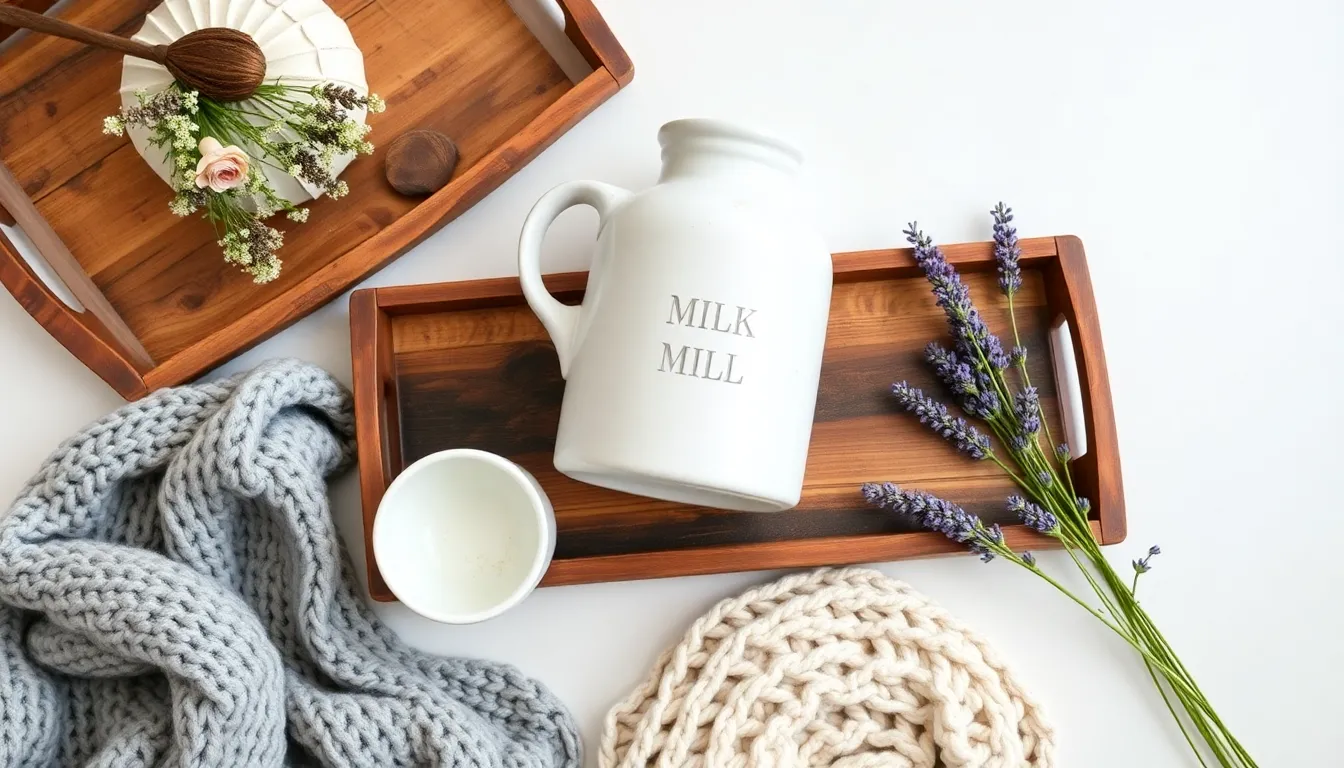
Farmhouse Color Palettes: Creating Warmth and Comfort
The color palette is crucial in farmhouse interior design. It typically consists of:
- Base colors: Whites, creams, and soft grays form the foundation.
- Accent colors: Muted blues, greens, and warm reds add depth and interest.
- Natural tones: Warm woods, tans, and browns bring in earthy elements.
The key is to create a warm, inviting atmosphere. The neutral base provides a calm backdrop, while carefully chosen accent colors add character and coziness. Remember, in farmhouse design, colors should feel natural and not overly bold or bright.
Furniture and Materials in Farmhouse Design
Furniture plays a crucial role in defining farmhouse interiors. Here are some key characteristics and popular materials:
Furniture Characteristics:
- Simple, sturdy construction
- Distressed or weathered finishes
- Comfortable, overstuffed upholstery
- Mix of vintage and modern pieces
- Functionality and practicality
Popular Materials:
- Wood: Reclaimed, barn wood, or distressed finishes
- Metal: Wrought iron, galvanized steel, and copper accents
- Natural fibers: Cotton, linen, and wool for upholstery and textiles
- Stone: For flooring, countertops, or decorative elements
- Wicker and rattan: For accent pieces and outdoor furniture
When selecting furniture, focus on pieces that combine comfort with rustic charm. Look for items that tell a story and contribute to the overall cozy, lived-in feel of farmhouse design.
Lighting in Farmhouse Interior Design
Lighting plays a crucial role in creating the warm, inviting atmosphere of farmhouse interiors. Here's how to approach lighting in a farmhouse-inspired space:
- Natural light: Maximize natural light with simple window treatments or bare windows.
- Wrought iron chandeliers: Use in dining rooms or entryways for a rustic focal point.
- Mason jar lighting: Incorporate DIY or store-bought mason jar pendant lights or sconces.
- Lantern-style fixtures: Use indoors or on porches for a vintage farmhouse feel.
- Industrial-inspired lighting: Incorporate metal pendant lights or task lamps for a modern farmhouse touch.
- Candles and lanterns: Use for ambient lighting and to enhance the cozy atmosphere.
Remember, in farmhouse design, lighting fixtures often serve as decorative elements. Choose pieces that complement your rustic decor while providing ample, warm light throughout your space.
Incorporating Modern Elements in Farmhouse Design
While farmhouse design celebrates rustic charm, it can also incorporate modern elements for a fresh, updated look. Here are some ways to blend contemporary features into your farmhouse space:
- Sleek appliances: Choose stainless steel or matte black appliances for a modern contrast.
- Smart home technology: Integrate smart thermostats, lighting, and security systems discreetly.
- Contemporary art: Mix modern artwork with vintage pieces for an eclectic gallery wall.
- Minimalist accents: Incorporate clean-lined decor items alongside more rustic pieces.
- Updated textiles: Use modern patterns and textures in pillows, rugs, and curtains.
The key is to strike a balance between rustic and modern elements, creating a space that feels both timeless and current.
Sustainable Practices in Farmhouse Interior Design
Sustainability aligns perfectly with the farmhouse ethos of simplicity and connection to nature. Here are some eco-friendly approaches to consider:
- Reclaimed materials: Use reclaimed wood for flooring, furniture, or accent pieces.
- Vintage and antique items: Incorporate second-hand or antique furniture and decor to reduce waste.
- Natural fibers: Choose organic cotton, wool, or linen for textiles and upholstery.
- Energy-efficient appliances: Opt for ENERGY STAR certified appliances that blend with the farmhouse aesthetic.
- Low-VOC paints: Use eco-friendly, low-VOC paints for walls and furniture refinishing.
- Natural lighting: Maximize natural light to reduce energy consumption and create a warm atmosphere.
- Upcycling: Repurpose old items into new, functional pieces that fit the farmhouse style.
- Indoor plants: Incorporate air-purifying plants to improve indoor air quality and add natural elements.
By embracing these sustainable practices, you can create a farmhouse-inspired space that's not only beautiful and cozy but also environmentally responsible. This approach honors the traditional values of farmhouse living while addressing modern ecological concerns.
Farmhouse Interior Design Room by Room
Farmhouse Living Room Ideas
The farmhouse living room is the heart of the home. Start with a comfortable, overstuffed sofa in neutral linen or cotton. Add a reclaimed wood coffee table, vintage wooden trunk for storage, and cozy throw blankets. Install shiplap on one accent wall, hang a wrought iron chandelier, and display family photos in mismatched vintage frames. Layer natural fiber rugs over hardwood floors, incorporate plants in galvanized metal containers, and add texture with chunky knit throws and grain sack pillows.
Farmhouse Kitchen Design
The farmhouse kitchen combines functionality with rustic charm. Install a large white farmhouse sink as the focal point. Use open shelving made from reclaimed wood to display vintage dishes and mason jars. Add shiplap or beadboard backsplash, incorporate butcher block countertops, and choose vintage-inspired faucets and hardware. Display antique kitchen tools, hang pendant lights with Edison bulbs, and include a large farmhouse table for family meals. Paint cabinets in soft white or sage green for an authentic feel.
Farmhouse Bedroom Retreat
Create a cozy farmhouse bedroom sanctuary with a wooden plank headboard or wrought iron bed frame. Layer bedding with white cotton sheets, vintage quilts, and textured throws. Add rustic nightstands made from reclaimed wood, incorporate mason jar sconces for ambient lighting, and hang vintage mirrors or farmhouse-style artwork. Use a distressed dresser for storage, place a cozy reading chair in the corner, and add warmth with a jute or braided rug.
Farmhouse Bathroom Ideas
Transform your bathroom with farmhouse touches like a clawfoot tub, shiplap walls, and vintage-style fixtures. Install a rustic wooden vanity with a vessel sink, add open shelving for towel storage, and use galvanized metal accessories. Incorporate subway tiles, vintage mirrors with distressed frames, and mason jars for storing toiletries. Add warmth with natural fiber bath mats and display fresh or dried lavender in vintage containers.
Creating Farmhouse Style on a Budget
Farmhouse style is perfect for budget-conscious decorators because it celebrates vintage finds and DIY projects. Here's how to achieve the look without overspending:
Thrift Store and Flea Market Finds
Scour thrift stores for vintage furniture pieces to refinish. Look for old wooden dressers, farmhouse tables, and vintage chairs that can be sanded and painted. Find antique kitchenware, vintage frames, old signs, and weathered wooden crates for decor. Estate sales often have quality pieces at fraction of retail prices. Budget: $300-600 for several statement pieces that define your farmhouse aesthetic.
DIY Farmhouse Projects
Create your own shiplap using inexpensive plywood planks. Build open shelving from reclaimed wood or affordable pine boards. Make mason jar pendant lights, distress new furniture with paint and sandpaper, and create your own farmhouse signs with stencils. Sew your own grain sack pillows, refinish thrift store finds, and build floating shelves for displays. Budget: $200-400 for supplies and tools.
Affordable Farmhouse Retailers
Shop at IKEA for basic furniture to customize with paint and hardware. Target's Hearth & Hand collection offers affordable farmhouse decor. HomeGoods and TJ Maxx regularly stock farmhouse-style accessories, textiles, and small furniture pieces. Amazon has budget-friendly barn door hardware, lighting fixtures, and decorative items. Hobby Lobby and Michaels offer farmhouse craft supplies and seasonal decor at good prices. Budget: $400-800 per room for new items mixed with DIY and vintage.
Common Farmhouse Design Mistakes to Avoid
1. Overdoing the Rustic Elements
Too much distressed wood, too many vintage signs, or excessive use of galvanized metal creates visual fatigue. Balance rustic pieces with cleaner, simpler elements. Use distressing strategically on focal pieces rather than everything. Leave some surfaces smooth and some walls plain to give the eye a rest.
2. Ignoring Function for Style
While farmhouse style celebrates aesthetics, it originated from practical necessity. Don't sacrifice comfort or functionality for appearance. That beautiful antique chair should still be comfortable to sit in. Open shelving looks great but needs regular dusting. Make sure your farmhouse kitchen is actually functional for cooking and daily use.
3. Using Only Modern Farmhouse Without Authentic Elements
Buying everything new from big box stores creates a staged, inauthentic feel. Mix genuinely old or vintage pieces with new items. The character comes from the blend of old and new, perfect and imperfect. Hunt for real vintage finds to anchor your modern purchases.
4. Forgetting Scale and Proportion
Farmhouse furniture tends to be chunky and substantial. In small spaces, oversized pieces can overwhelm. Choose appropriately sized furniture for your room dimensions. A massive farmhouse table won't work in a tiny kitchen. Scale matters - balance larger pieces with lighter, more delicate items.
5. Neglecting Comfort and Coziness
Farmhouse design should feel warm and welcoming, not cold and sterile. Add plenty of soft textiles, comfortable seating, and warm lighting. Layer throws and pillows, include area rugs, and make sure spaces are actually livable and cozy. The aesthetic means nothing if your home doesn't feel comfortable.
Expert Tips for Authentic Farmhouse Style
Embrace Imperfection
Farmhouse style celebrates wear, patina, and the marks of time. Don't stress over scratches on wooden furniture or slight variations in paint color. These imperfections add character and authenticity. Hand-me-down pieces with history are more valuable than perfect new items. The lived-in look is intentional - embrace it.
Layer Textures Thoughtfully
Successful farmhouse design uses varied textures to create depth and interest. Combine smooth painted surfaces with rough wood grain, soft cotton with rough burlap, sleek metal with worn leather. Include at least 4-5 different textures in each room. This tactile variety makes spaces feel richer and more inviting without adding visual clutter.
Use Architectural Elements as Decor
Shiplap, beadboard, exposed beams, and barn doors aren't just decorative - they add architectural interest that defines farmhouse style. Even in newer homes, these elements create instant character. Start with one architectural feature per room (shiplap accent wall, exposed beams, barn door) before adding furniture and accessories.
Balance White with Warmth
While white is a farmhouse staple, too much creates a cold, sterile feel. Balance white walls and furniture with warm wood tones, soft textiles, and warm-toned metals like brass or copper. Add cream and beige alongside stark white. Use warm white bulbs in lighting fixtures. The goal is bright and airy, not cold and clinical.
Create Vignettes with Purpose
Group related items together for impact. Cluster vintage pitchers on open shelving, arrange old books by color, display collections of ironstone or enamelware together. These curated vignettes tell stories and create focal points. Use odd numbers (groups of 3, 5, or 7) for the most pleasing arrangements. Each vignette should have varying heights and a mix of textures.
Where to Shop for Farmhouse Interior Design
Vintage and Antique Sources
- Antique malls and vintage markets for authentic farmhouse pieces
- Estate sales and auctions for quality furniture at good prices
- Online: Etsy Vintage, Chairish, Facebook Marketplace for curated finds
- Architectural salvage yards for doors, windows, and building materials
- Flea markets for smaller accessories, vintage kitchenware, and decor
Modern Farmhouse Retailers
- Magnolia (Chip and Joanna Gaines) for authentic farmhouse pieces
- Pottery Barn and Crate & Barrel for higher-end farmhouse furniture
- Target Hearth & Hand for affordable, well-designed farmhouse decor
- IKEA for basic pieces to customize with farmhouse touches
- Wayfair and Overstock for variety and competitive prices
DIY and Craft Stores
- Home Depot and Lowe's for shiplap, barn door hardware, and building materials
- Hobby Lobby and Michaels for farmhouse craft supplies and seasonal decor
- Joann Fabrics for textiles to make pillows, curtains, and upholstery
- Local salvage yards for reclaimed wood and authentic materials
Create Your Dream Farmhouse Space with AI!
Ready to embrace the warm and inviting charm of farmhouse interior design? Upload your room photo and see it transformed with rustic style instantly. Shiplap, reclaimed wood, vintage accents - visualize your space before spending on furniture or renovations!
Click the image to flip between before and after.
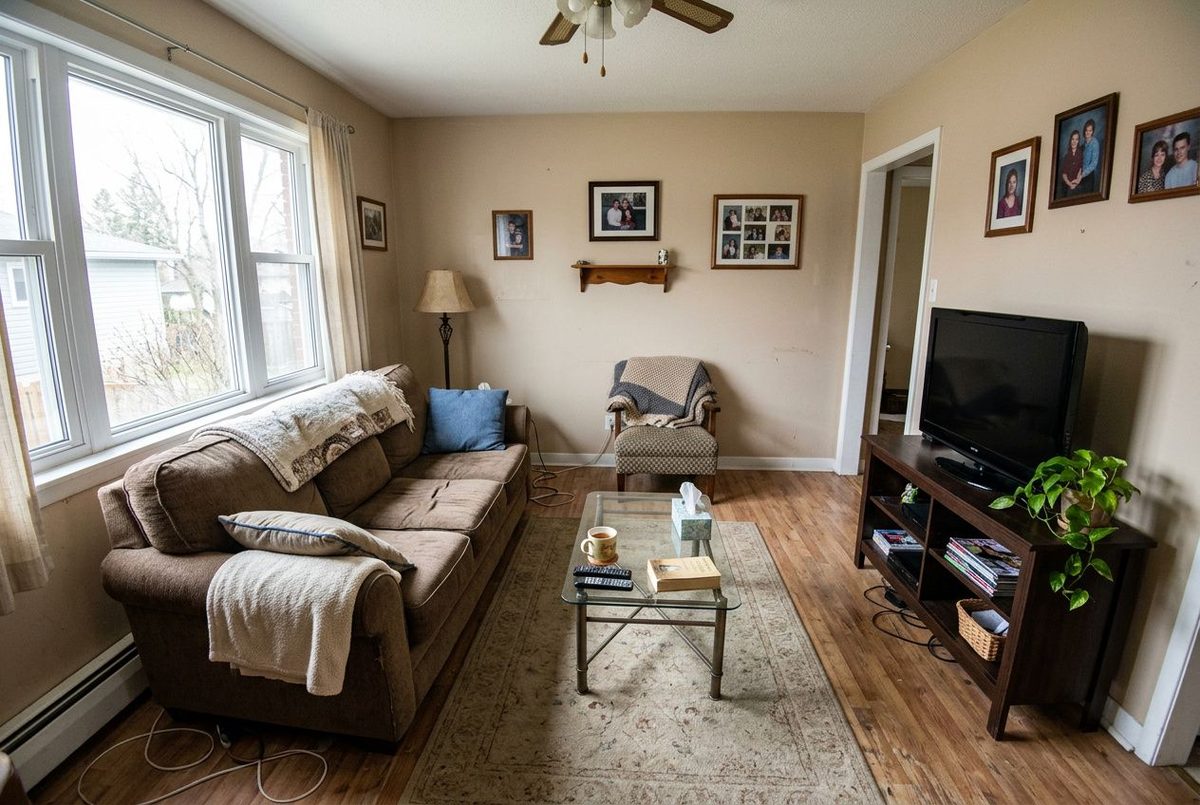
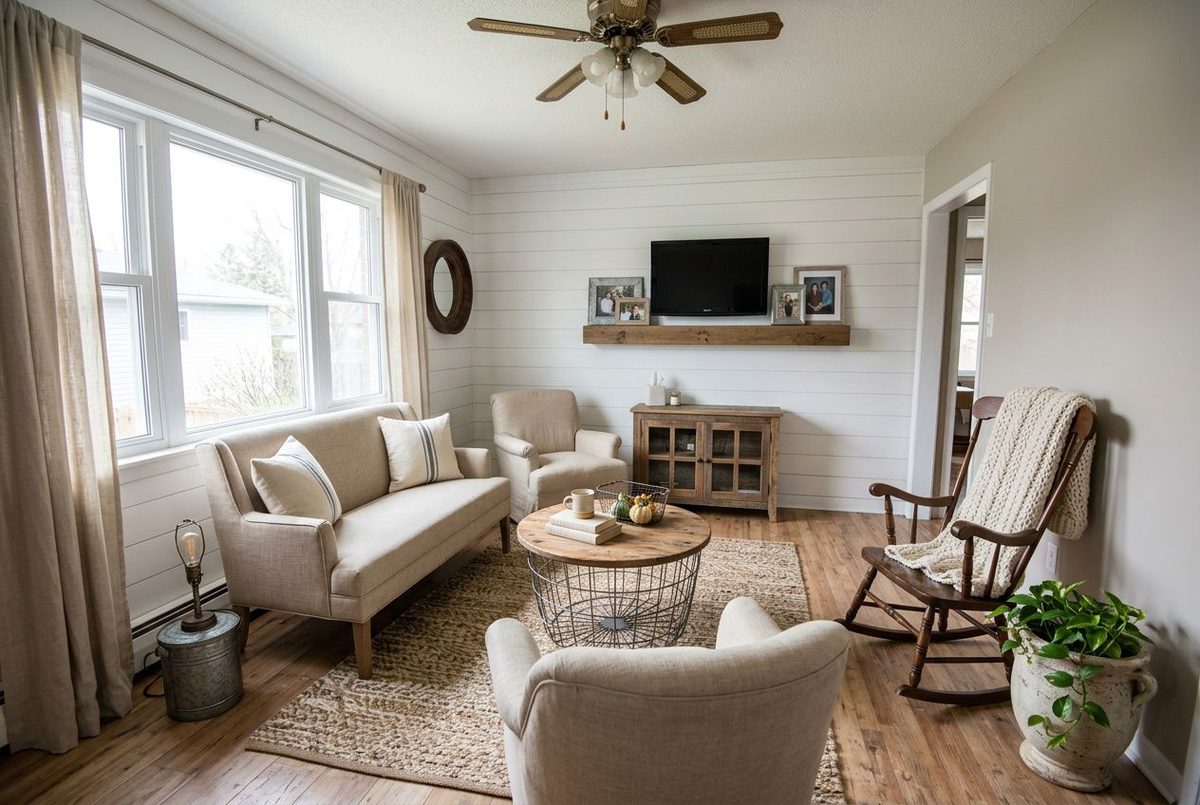
Living room: before / after
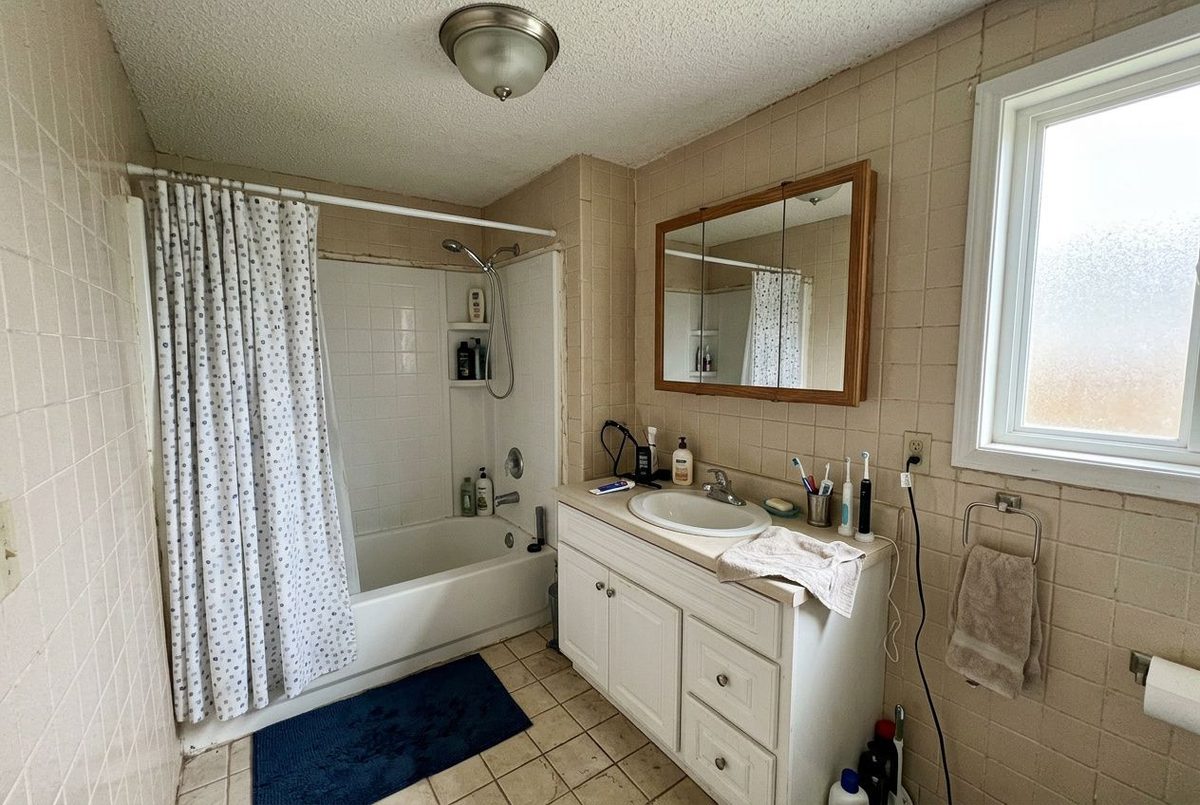
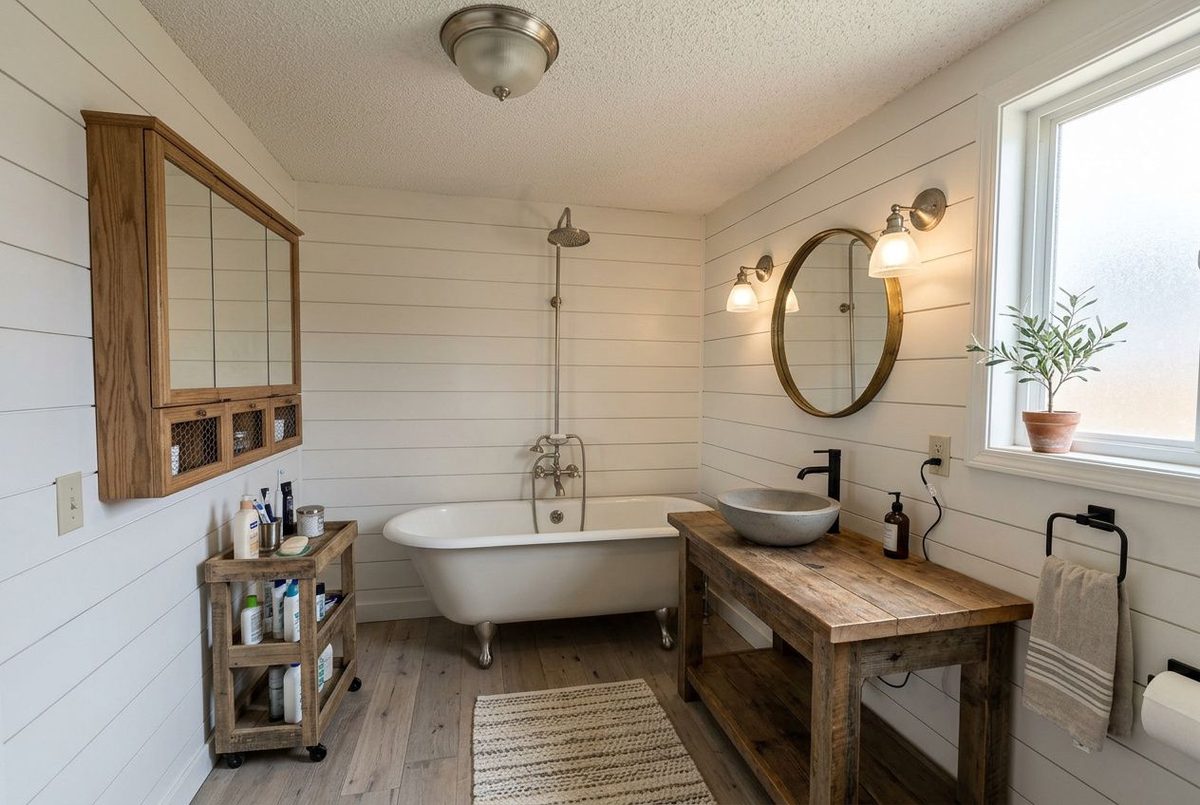
Bathroom: before / after
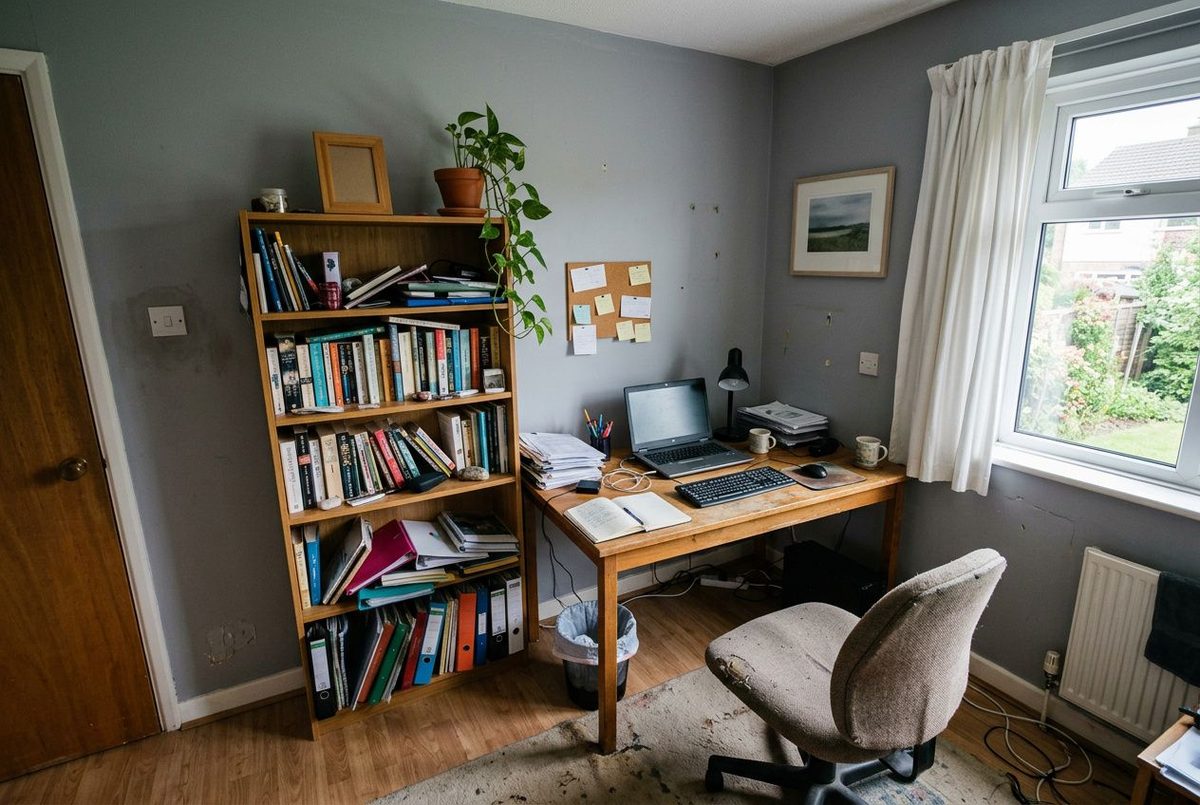
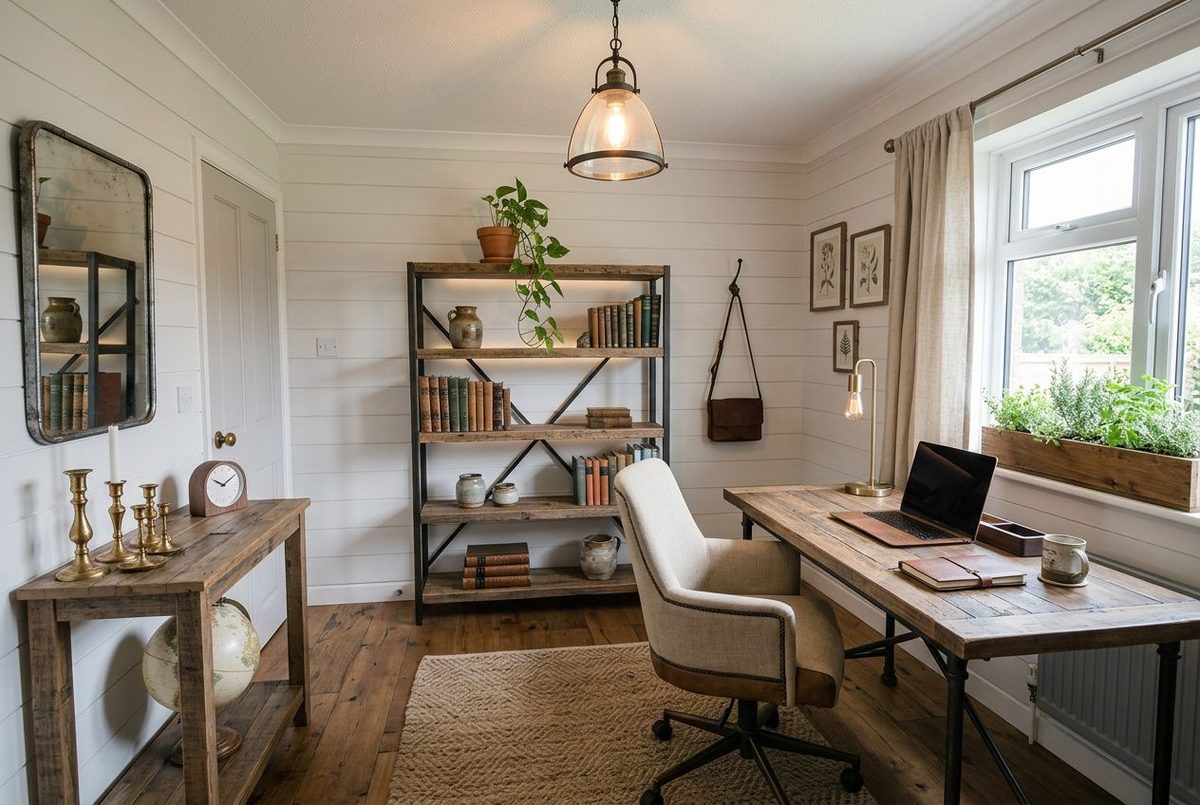
Home office: before / after
Example rooms are AI-generated. Each redesign was made with Decoratly, using the same Modern Farmhouse style available in the app.
✓ 1 free transformation • ✓ No signup required • ✓ Results in 30 seconds