
Style guide
Shabby chic interior design: colors, furniture and how to get the look
Shabby chic is soft, romantic and lived-in: distressed painted furniture, faded florals, lace and linen in pastel colors. Here is what defines it, how to get the look room by room, and how to keep it fresh instead of messy.
By Kamil Uhryn, founder of Decoratly. Updated September 2026.
1 free design, no signup, no card. Free results are watermarked.
What shabby chic interior design is
Shabby chic is a soft, romantic, lived-in style. Its signature is furniture and decor that look loved and slightly worn (painted wood with rubbed edges, faded florals, lace and linen) set in light, feminine colors. The idea is beauty with a story: pieces that look as if they have been in the family, or found at a flea market, rather than bought as a matching set.
The look was popularised in the 1980s and 1990s, and is closely associated with designer Rachel Ashwell, whose Shabby Chic brand brought the style to a wide audience. It borrows from English country houses and French vintage, and it is still a favorite for bedrooms, cottages and anyone who prefers comfort to polish.
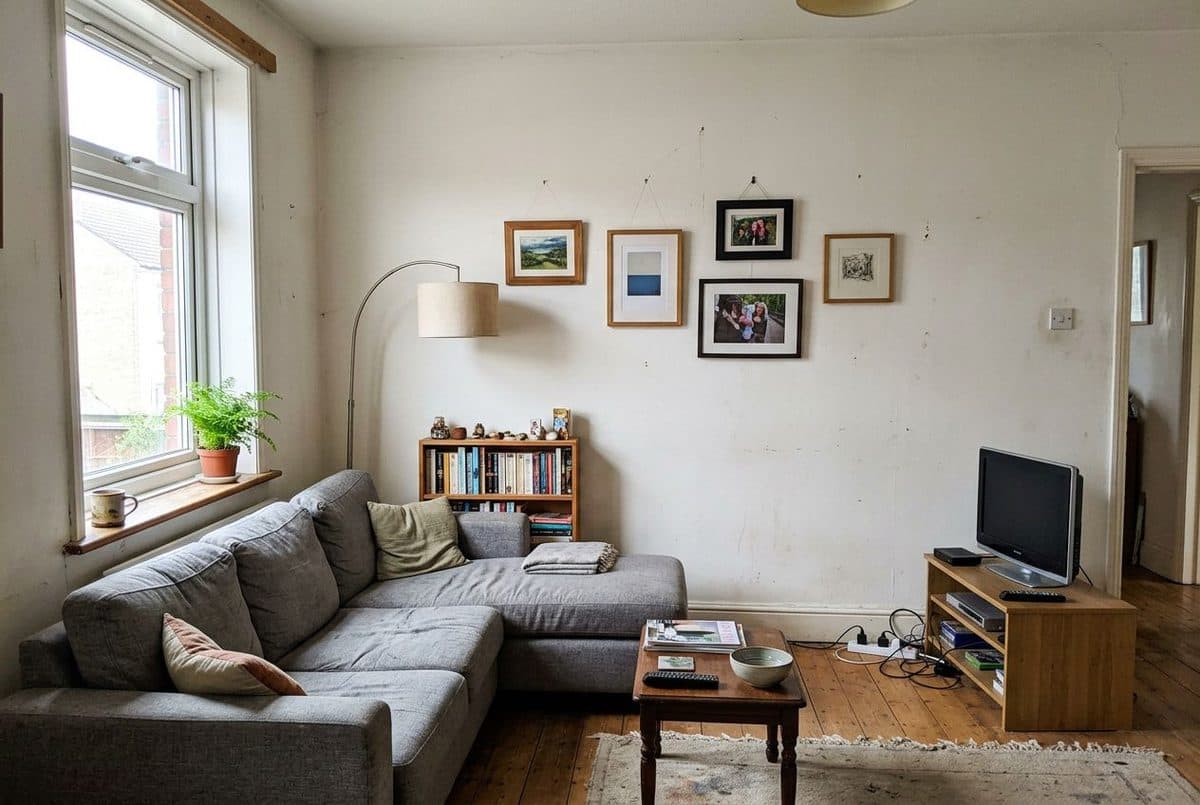
Before
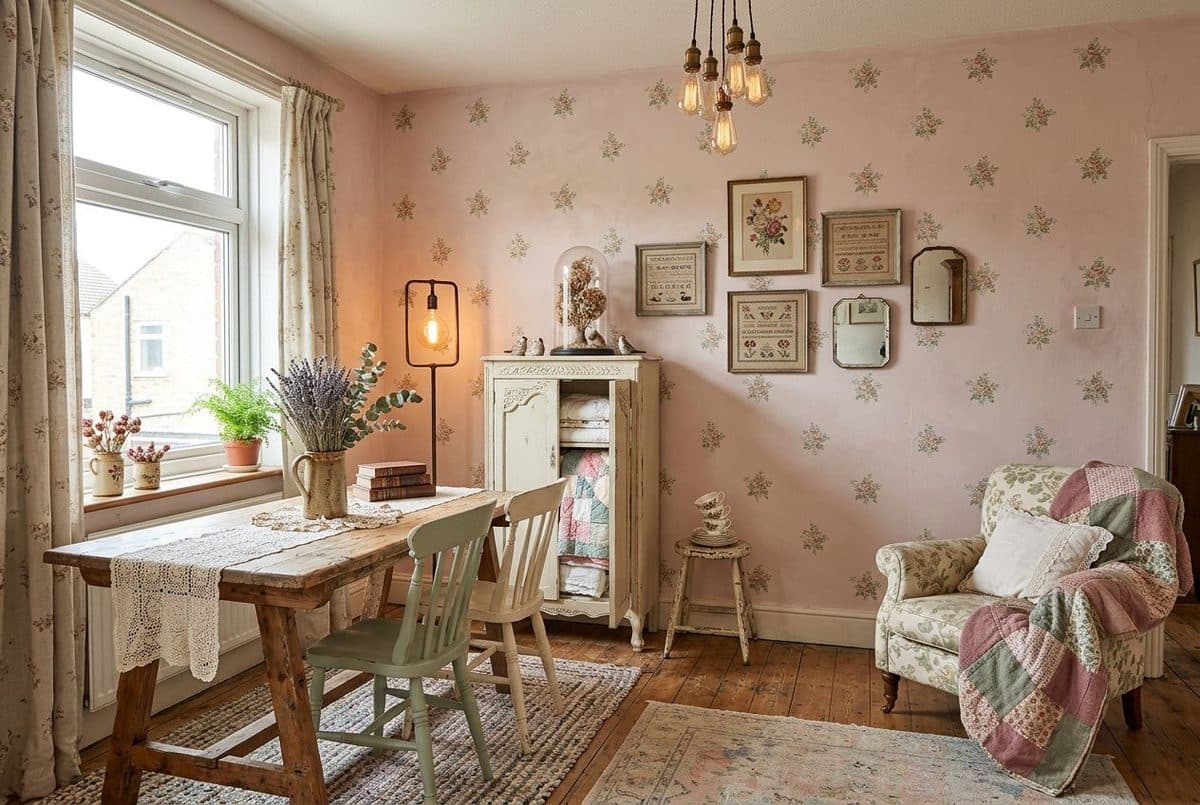
After
The key elements of shabby chic
Distressed, painted furniture
Chalk-painted or whitewashed wood with edges gently sanded back to show the grain. It is the heart of the style.
Soft, faded colors
White, cream and pastel shades such as blush, sage, duck-egg blue and lavender, often slightly muted.
Vintage florals and prints
Roses, ditsy florals, stripes and gingham on wallpaper, curtains and upholstery, kept faded rather than bold.
Lace, linen and cotton
Slipcovers, lace runners, cotton quilts and linen curtains bring softness and are easy to wash.
Vintage accessories
Mismatched china, old mirrors, chandeliers, brass and glass pieces, and framed embroidery or botanical prints.
Comfort first
Deep, cushioned seating, layered bedding and throws. Rooms look inviting, not staged.
Shabby chic color palettes
- -White and cream. The classic base. Warm whites make a room feel light and soft, and let the pastels and worn wood stand out.
- -Pastels. Blush pink, sage green, duck-egg blue and pale lavender, used on furniture, walls or textiles.
- -Neutrals. Soft greys, linen and oatmeal for a quieter version.
- -Muted accents. Faded rose, vintage teal or a dusty yellow in cushions, china and flowers.
Keep the colors low in contrast and slightly muted, so the room reads as gentle rather than bright. You can test wall colors on your own photo with the paint color visualizer, and pull a palette from any image with the color palette tool.
Furniture and materials
- -Sofas and chairs: slipcovered in white or cream cotton or linen, or upholstered in a faded floral. Slipcovers can be removed and washed, which suits busy homes.
- -Tables and storage: old or old-looking wood, painted white or a soft color, with visible wear. Look for cabinets, dressers, farmhouse tables and trestle tables.
- -Beds: an iron, painted-wood or upholstered bed, dressed in layered white bedding, a quilt and lace or embroidered pillows.
- -Lighting: a chandelier with crystals, an old-style lamp with a fabric shade, or a vintage-style pendant.
- -Floors: worn wood boards, painted boards or a faded vintage rug.
- -Walls: soft paint, floral wallpaper or wood paneling painted white.
How to get shabby chic, room by room
Bedroom
This is the natural home of the style. Layer white and pastel bedding, add a quilt at the foot of the bed, hang a vintage mirror and put a painted dresser or chair in the corner. See AI bedroom design.
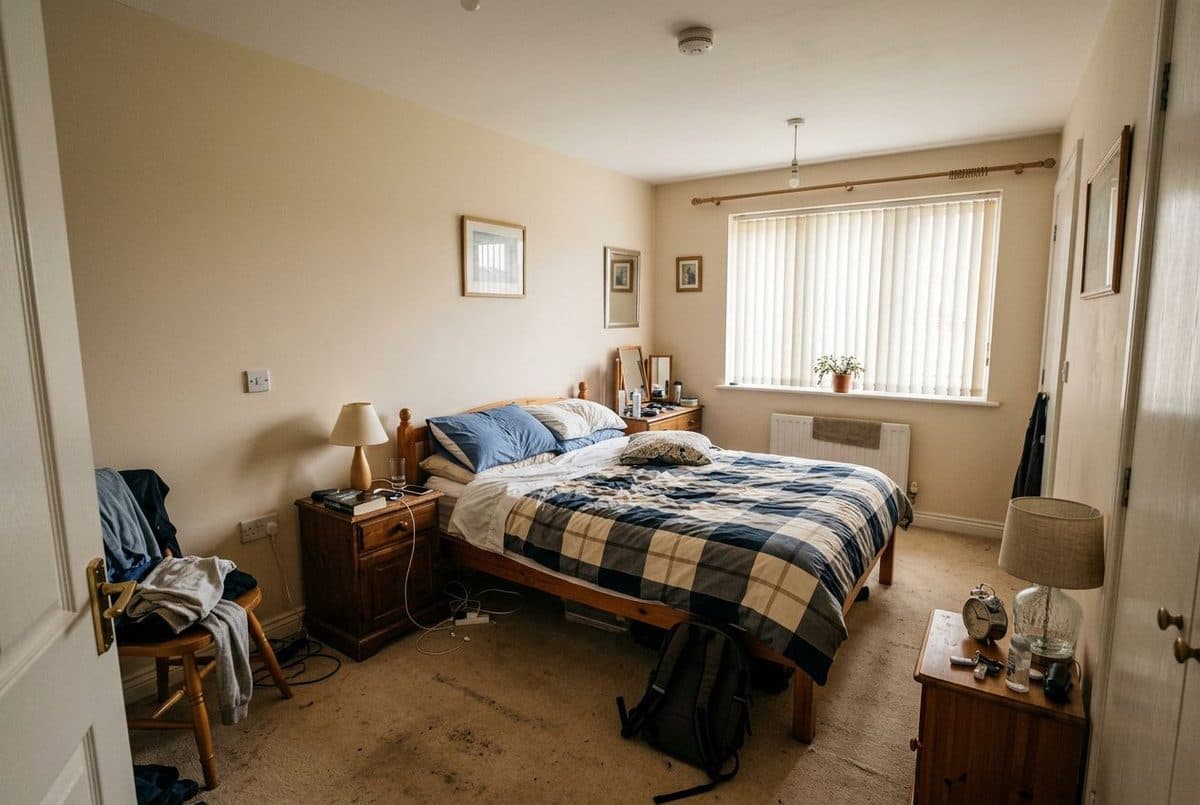
Before
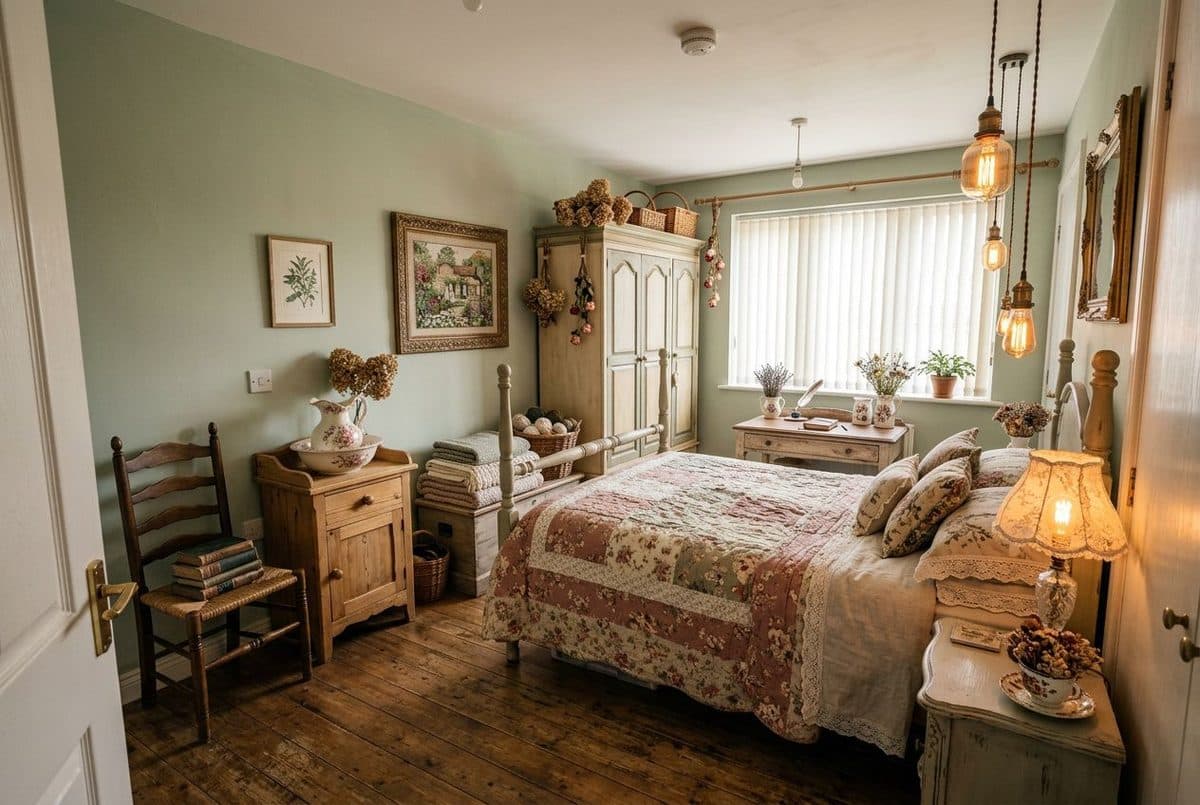
After
Living room
Slipcovered seating, a distressed coffee table, floral cushions and a soft rug. Fresh flowers and a few framed prints finish it. See AI living room design.
Kitchen and dining
Painted cabinets in sage or cream, open shelves with mismatched china, a scrubbed wooden table and linen curtains. See AI kitchen design.
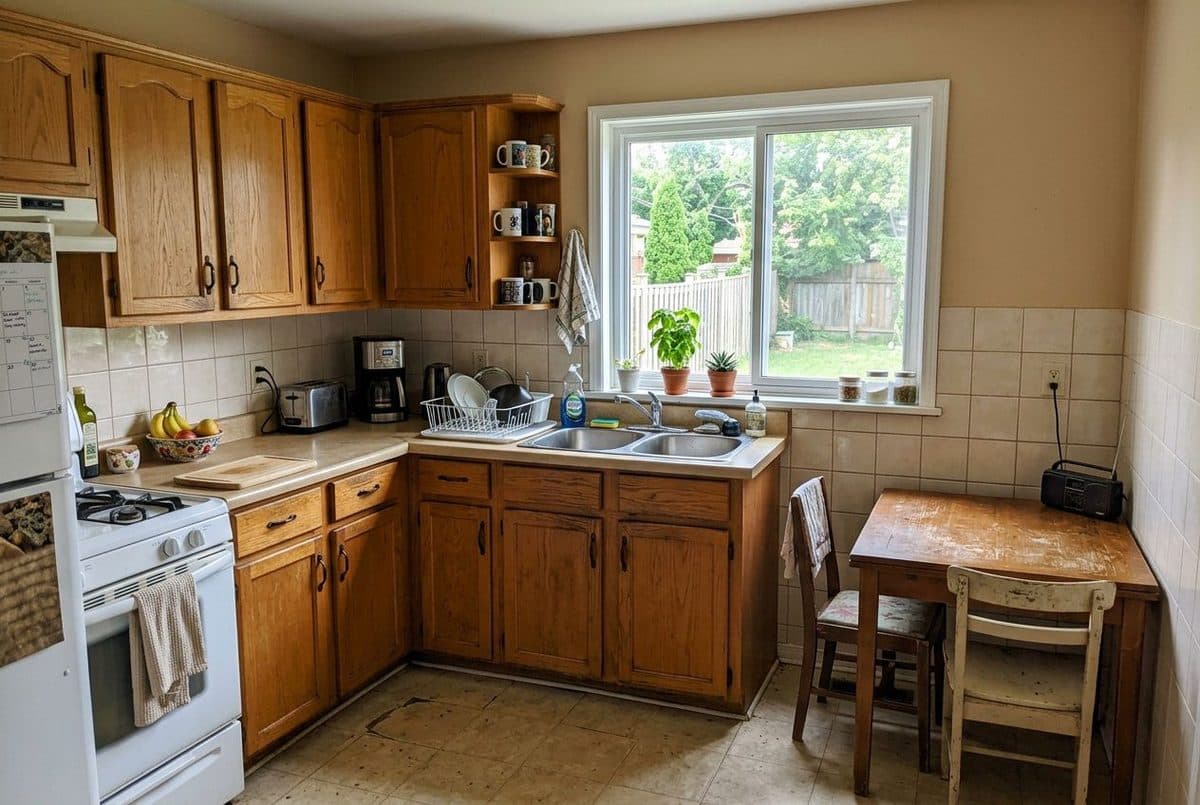
Before
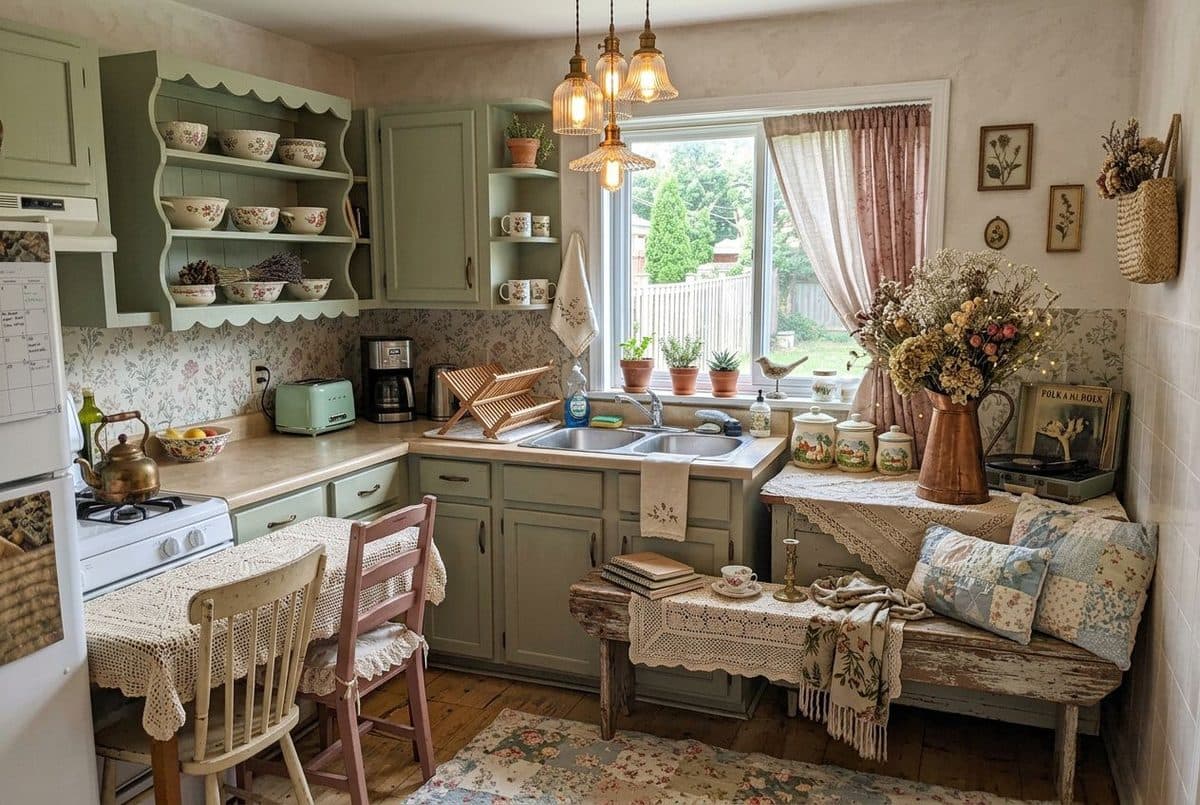
After
Bathroom
A painted vanity, a vintage mirror, white towels and a little lace or linen. Keep the surfaces uncluttered so it stays fresh.
Get the look yourself: a simple distressing method
Much of the appeal of shabby chic is that you can make it. A basic approach to distressing a piece of wooden furniture:
- 1.Clean and lightly sand the piece so paint will stick.
- 2.Paint it with chalk-style or matt paint in white, cream or a pastel. Two thin coats work better than one thick one.
- 3.Distress the edges, corners and areas that would naturally wear by rubbing with fine sandpaper until a little wood or the earlier color shows through.
- 4.Seal with a clear wax or matt varnish to protect the finish.
- 5.Swap the hardware for old-style knobs in brass, glass or ceramic.
Test the paint color on a hidden spot first. If the piece is an antique or valuable, check with an expert before painting it.
Keeping shabby chic fresh, not messy
- -Edit the accessories. Group vintage pieces in small, deliberate collections. Too many objects turns charm into clutter.
- -Anchor with white. Plenty of white or cream keeps the room bright and stops the pastels from looking sugary.
- -Mix in something modern. A clean-lined lamp or a plain sofa stops a room from feeling like a period set.
- -Keep it clean. The wear should look intentional. Distressed is charming; dirty is not.
- -Add texture, not more pattern. Layer lace, linen and knits, and limit florals to two or three.
Shabby chic vs cottagecore vs farmhouse vs French country
| Style | Feel | Where it differs |
|---|---|---|
| Shabby chic | Romantic, faded and feminine. | Distressed painted furniture, lace and pastel florals. |
| Cottagecore | Nostalgic and countryside-inspired. | More plants, dried flowers, handmade and rustic touches. |
| Farmhouse | Practical, warm and family-friendly. | Sturdier, more neutral, with black metal and reclaimed wood. |
| Rustic | Rugged and natural. | Heavier woods, stone and earthy colors. |
| French country | Elegant countryside. | Carved details, toile and warmer, richer colors. |
Try shabby chic on your own room
Pastels and faded florals can feel lovely or twee depending on your light and your room. The easiest way to find out is to see them on your own space. Upload a photo to Decoratly, pick a soft, vintage-inspired style such as Cottagecore, and see your room restyled in about 30 seconds, with your walls, windows and proportions kept. Decoratly does not have a style named shabby chic, so Cottagecore is the closest match, and you can also describe the look in your own words.
Not sure whether this is your style? Take the style quiz or browse all 75+ styles.
Questions people ask
What is shabby chic interior design?
A soft, romantic, lived-in style built on distressed painted furniture, faded florals, lace and linen, in white, cream and pastel colors. It looks comfortable and collected rather than matched.
What colors are used in shabby chic?
White and cream as the base, with pastels such as blush pink, sage green, duck-egg blue and lavender. Colors are slightly muted, and contrast is kept low.
How do I distress furniture for shabby chic?
Clean and lightly sand the piece, paint it in a matt white or pastel, then rub the edges and corners with fine sandpaper so the wood or an earlier color shows through. Seal it with clear wax or matt varnish.
Is shabby chic still in style?
The style has cycled in and out of fashion, but its core ideas (vintage pieces, soft colors, comfort and slipcovers) remain popular, especially in bedrooms and cottages. Modern versions are usually cleaner and more edited.
What is the difference between shabby chic and farmhouse?
Shabby chic is softer and more feminine, with pastels, lace and faded florals. Farmhouse is sturdier and more neutral, using reclaimed wood, black metal and practical pieces.
Can I see shabby chic in my own room before I buy anything?
Yes. Decoratly lets you try 1 design from your own photo with no signup and no card, in 6 starter styles. It has no style called shabby chic, but Cottagecore is the closest, and Pro lets you describe your own look. Free results are watermarked.
Written and maintained by Kamil Uhryn, founder of Decoratly. About Decoratly